Toxic Materials to Watch for in New Homes
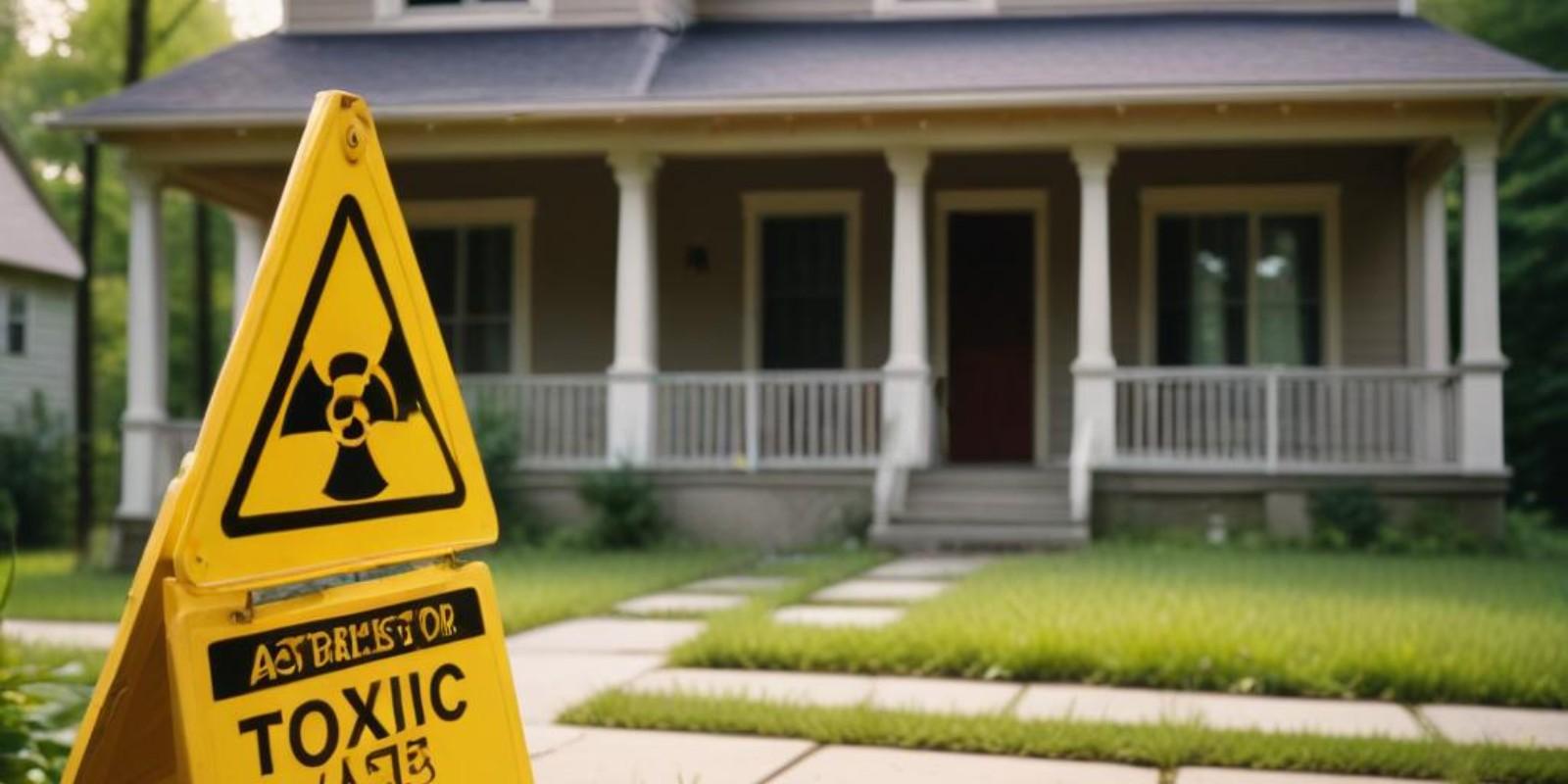
As we embark on the journey of homeownership, the excitement of moving into a new space often overshadows the potential risks lurking within. Many new homes, while aesthetically pleasing and modern, can contain various toxic materials that pose health risks to occupants. This article will delve into the common toxic materials found in new homes, their implications for health and safety, and how to mitigate these risks effectively. We will explore real-life case studies and provide actionable advice to ensure your new home is a safe haven.
Moving into a new home is often seen as a fresh start, filled with dreams of creating lasting memories. However, it’s crucial to recognize that not all new constructions are free from hazards. Many homeowners are unaware of the potential dangers posed by toxic materials that can be present in newly built houses. From harmful chemicals used in construction to hidden dangers lurking behind walls, understanding these risks is essential for safeguarding your family's health. In this article, we will explore the most common toxic materials found in new homes, their effects on health, and what you can do to protect yourself and your loved ones.
New homes can contain a variety of toxic materials that may not be immediately visible but can significantly impact health over time. Awareness is the first step toward prevention. Below are some of the most common toxic materials found in new homes.
Asbestos is a naturally occurring mineral once widely used in construction due to its fire-resistant properties. Although its use has been banned in many countries, some older buildings may still contain asbestos materials. Inhaling asbestos fibers can lead to serious health issues, including lung cancer and mesothelioma. If you suspect your new home may have asbestos, it’s vital to consult with professionals for testing and safe removal.
Lead was commonly used in paints and plumbing systems before its dangers were fully understood. While newer homes are less likely to contain lead-based paints, it's still possible if renovations were made using older materials. Lead exposure can cause developmental issues in children and various health problems in adults. Testing for lead is essential if you live in an area where older building materials might have been used.
Formaldehyde is a colorless gas often found in building materials like plywood, particleboard, and insulation. It’s also present in many household products such as cleaning agents and furniture finishes. Prolonged exposure to formaldehyde can lead to respiratory issues and other health problems. To minimize exposure, ensure proper ventilation when moving into a new home and consider using low-formaldehyde products.
VOCs are organic chemicals that easily evaporate at room temperature and are commonly found in paints, varnishes, and cleaning products. These compounds can cause headaches, dizziness, and long-term health effects with continued exposure. Choosing low-VOC or VOC-free products when decorating or renovating your new home is an effective way to reduce indoor air pollution.
To illustrate the importance of being aware of toxic materials in new homes, let’s look at three real-life case studies where homeowners faced challenges related to these substances.
When Sarah and John purchased their dream home built in the late 1980s, they were thrilled about the spacious layout but soon discovered that the insulation contained asbestos. After experiencing persistent respiratory issues, they decided to conduct an inspection which revealed high levels of asbestos fibers. They quickly hired a certified abatement company to safely remove the hazardous material from their home. This experience taught them the importance of thorough inspections before purchasing any property.
Amy moved into a charming historic home with her two young children only to find out later that the previous owners had used lead-based paint during renovations. After noticing behavioral changes in her children, she sought medical advice that confirmed lead exposure was likely the cause. Amy took immediate action by contacting professionals to remediate the lead hazards throughout her home. This situation highlighted how crucial it is for families with children to assess potential lead hazards before moving into older homes.
Mark recently bought a newly constructed home but began experiencing headaches shortly after moving in. After investigating possible causes, he discovered that his home contained high levels of formaldehyde from the pressed wood products used during construction. Mark took proactive steps by increasing ventilation and replacing some furniture with low-formaldehyde alternatives, which greatly improved his family's comfort level at home.
Your home should be a sanctuary—a place where you feel safe and secure from harm. Understanding common toxic materials found in new homes empowers you as a homeowner to take proactive measures for your family's well-being. By educating yourself about substances like asbestos, lead, formaldehyde, and VOCs—and knowing how to test for them—you can create a healthier living environment for everyone under your roof. Remember that prevention is always better than cure; taking steps now can save you from significant health issues down the line.
"Your home should be a sanctuary—a place where you feel safe."
If you're unsure about potential hazards in your new home or need assistance navigating this complex issue, reach out today! I’m here to help you ensure your living space is not just beautiful but also safe for you and your loved ones.
The best way to test for asbestos is by hiring a certified professional who can safely collect samples and analyze them in a laboratory setting.
Renovating an older home can be safe if proper precautions are taken—such as testing for lead paint or asbestos before starting any work.
No; removing lead paint requires specialized training and equipment due to the risks involved. It’s best to hire professionals who are certified in lead remediation.
If you have concerns about toxic materials or need guidance on ensuring your new home is safe for your family, don’t hesitate! Reach out to me—Rosario Martin—today! Together we can create a healthier living environment tailored just for you!

Soy Charo Martín, una profesional con más de 25 años de experiencia en el sector inmobiliario, combinando una sólida formación técnica con una profunda vocación por considerar cualquier compra como una inversión, y por procurar conseguir viviendas de lujo, que son las que permiten tener el estilo de vida deseado. ¿Cual es su estilo de vida?
Mi carrera comenzó en el ámbito de la informática y la farmacia, pero pronto descubrí mi verdadera pasión: acompañar a las personas a encontrar la mejor versión de su casa, alineada con su estilo de vida y sus objetivos de inversión. Desde entonces, he liderado proyectos inmobiliarios en Marbella y la Costa del Sol, especializándome en propiedades de lujo y en asesoría basada en su estilo de vida y si es necesario en la medicina ambiental.
Actualmente, colaboro con eXp Realty como Consultora Inmobiliaria especializada en Bienestar y Estilo de Vida, integrando herramientas digitales, inteligencia artificial y conocimientos en psiconeuroinmunología para ofrecer una experiencia de compra consciente, rentable y saludable.
Trabajo también con profesionales inmobiliarios de muchos otros países, lo que me permite atraer compradores extranjeros con soltura, facilitando operaciones internacionales con confianza, cercanía y eficacia.
Mi formación más destacada:
- Máster en Psiconeuroinmunología – Xevi Verdaguer (2021-2023)
- Máster en Ciencias de la Computación – Universidad Pontificia de Salamanca
- Licenciatura en Farmacia – Universidad Complutense de Madrid
- Agente Inmobiliario (API) certificado por el Ministerio de Industria y Energía
- Gestión de Cooperativas y Funcionalismo Inmobiliario – REBS Real Estate Business School
Experiencia profesional:
- Más de 22 años como CEO de Mi Casa en Marbella
- Directora de oficina en MAR Real Estate Marbella
- Consultora independiente en desarrollo de negocio inmobiliario, estrategia comercial y captación de clientes
- Experiencia docente universitaria y técnica en distintas disciplinas científicas y tecnológicas
- Fundadora de proyectos orientados a la accesibilidad y sostenibilidad en el hábitat
Lo que me diferencia:
- Combino tecnología, salud ambiental y visión estratégica para ofrecer mucho más que una vivienda: te acompaño a tomar decisiones con inteligencia y propósito.
- Creo firmemente que el mayor lujo es tener la casa en la cual puedes llevar el estilo de vida que deseas.
- Trabajo con compradores, inversores y otros profesionales del sector para crear oportunidades de valor compartido.
What Are Arras Contracts in Spain and How Do They Protect Property Buyers?
Arras contracts are key in Spanish property purchases. Discover the types of arras, how they protect buyers and sellers, and why they are crucial when investing in the Costa del Sol or anywhere in Spain
Investing in Luxury Real Estate in Marbella: Asset Protection or Family Pleasure?
Discover whether buying luxury property in Marbella should be seen as a secure asset protection strategy or as a lifestyle investment for your family’s enjoyment
Advantages and risks of buying off-plan property in Spain
Discover the pros and cons of buying off-plan in Spain: lower prices, customization, and future appreciation versus construction delays, risks, and legal safeguards.