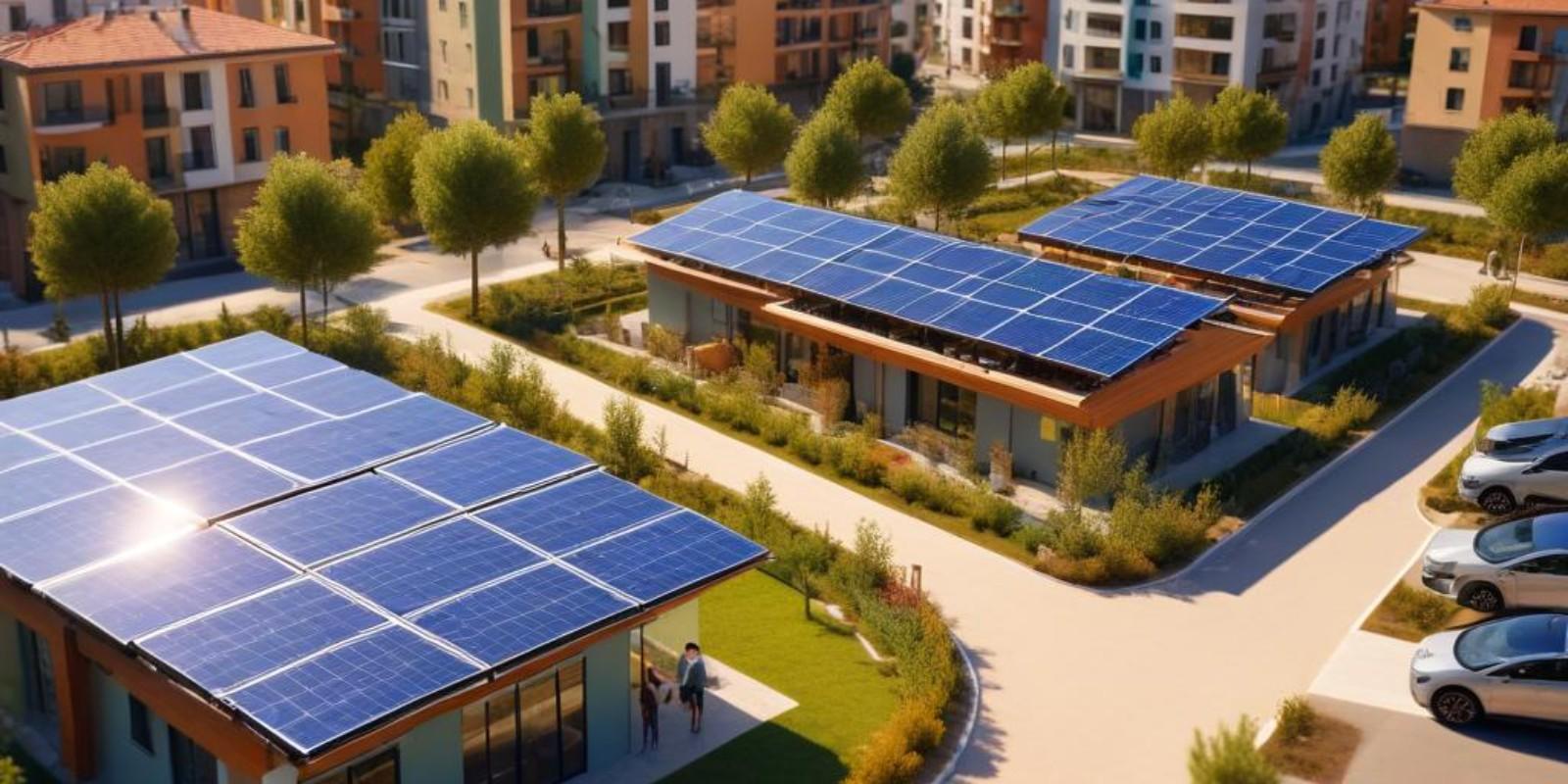
El auge de las “smart communities” en España: vecindarios conectados y autosuficientes In recent years, Spain has witnessed a remarkable transformation with the rise of smart communities—neighborhoods that are not only connected but also self-sufficient. These innovative spaces leverage technology to enhance the quality of life for residents, promote sustainability, and foster a sense of community. As urbanization continues to accelerate, understanding the dynamics of these smart communities is crucial for anyone interested in the future of living environments. This article will explore the concept of smart communities in Spain, highlight inspiring case studies, and offer insights into how these neighborhoods are shaping our collective future.
The concept of smart communities is revolutionizing how we think about urban living. These neighborhoods harness technology to create interconnected ecosystems where residents can thrive both socially and economically. Imagine a place where energy consumption is optimized, waste is minimized, and community members actively participate in decision-making processes. This vision is becoming a reality in various parts of Spain, where local governments and private enterprises collaborate to build smarter, more resilient neighborhoods. As we delve deeper into this topic, we will explore what defines a smart community, examine real-life examples from Spain, and discuss the benefits and challenges associated with these innovative living environments. By the end of this article, you will have a clearer understanding of how smart communities are reshaping our cities and why they matter for our future.
Smart communities are defined by their use of technology to enhance the quality of life for residents while promoting sustainability and inclusivity. These neighborhoods typically integrate various digital solutions, such as smart grids for energy management, IoT devices for efficient resource allocation, and platforms for community engagement. The goal is to create an environment where residents can enjoy modern conveniences while minimizing their ecological footprint. At the heart of smart communities lies the idea that technology should serve people—not the other way around. This philosophy encourages active participation from residents in shaping their neighborhoods. From digital platforms that facilitate communication between neighbors to applications that promote local businesses, smart communities strive to foster a sense of belonging and collective responsibility.
Valencia stands out as a leading example of a smart community focused on sustainability. The city has implemented various initiatives aimed at reducing carbon emissions and promoting green practices among its residents. One notable project is the "Valencia Smart City" initiative, which utilizes data analytics to optimize energy usage across public buildings and services. Residents can access real-time information about energy consumption through a dedicated app, encouraging them to adopt more sustainable habits. Additionally, Valencia's extensive network of bike lanes and electric vehicle charging stations promotes eco-friendly transportation options. The city's commitment to sustainability not only enhances the quality of life for its citizens but also positions Valencia as a model for other cities looking to transition towards greener practices.
Madrid is undergoing a significant digital transformation that exemplifies the potential of smart communities. The "Madrid Smart City" project aims to integrate technology into urban planning and public services, making daily life more convenient for residents. One key feature is the implementation of smart traffic management systems that reduce congestion and improve air quality by optimizing traffic flow. Moreover, Madrid has introduced an interactive platform called "Madrid Participa," which allows citizens to voice their opinions on local issues and participate in decision-making processes. This initiative fosters civic engagement and ensures that residents have a say in shaping their community's future. By embracing digital solutions, Madrid is paving the way for a more connected and responsive urban environment.
Barcelona has long been recognized as an innovator in urban development, and its approach to smart communities is no exception. The city's "Barcelona Smart City" initiative focuses on enhancing citizen well-being through technology while prioritizing social inclusion. One standout project is the "Superblocks" program, which aims to reduce traffic in certain areas by creating pedestrian-friendly zones. These Superblocks encourage community interaction by providing public spaces for social gatherings, markets, and cultural events. Residents have reported increased satisfaction with their neighborhoods due to improved air quality and enhanced social cohesion. Barcelona's commitment to creating inclusive spaces demonstrates how smart community initiatives can lead to vibrant urban environments where everyone feels welcome.
The rise of smart communities brings numerous benefits that extend beyond technological advancements. Here are some key advantages:
These benefits illustrate how smart communities not only improve individual lives but also contribute positively to society as a whole.
Despite their many advantages, smart communities face several challenges that must be addressed for successful implementation:
To overcome these challenges, it is essential for local governments and stakeholders to prioritize inclusivity by providing training programs on digital literacy while ensuring transparent communication regarding data usage. Additionally, fostering community involvement from the outset can help alleviate resistance and create a shared vision among residents.
The emergence of smart communities in Spain represents an exciting shift towards more connected, sustainable living environments. By leveraging technology thoughtfully, these neighborhoods are enhancing quality of life while promoting environmental stewardship and social cohesion. As we continue to navigate the complexities of urbanization, it is crucial that we learn from successful case studies like Valencia, Madrid, and Barcelona—each offering valuable lessons on building resilient communities that prioritize people over profit. If you’re inspired by the potential of smart communities or want guidance on navigating this transformative landscape in your own neighborhood or city, reach out today! Rosario Martin is here to help you explore opportunities tailored just for you.
A smart community utilizes technology to enhance quality of life while promoting sustainability and inclusivity among its residents.
By integrating technologies like energy-efficient systems and waste management solutions, smart communities minimize environmental impact while fostering eco-friendly practices among residents.
Residents actively participate through platforms that allow them to voice opinions on local issues, ensuring their needs are met within decision-making processes.
While efforts are made towards inclusivity, disparities may exist based on digital literacy or access; addressing these gaps is crucial for equitable participation.
Challenges include the digital divide among residents, privacy concerns regarding data collection, funding limitations for infrastructure projects, and resistance from those hesitant about change. By embracing innovation while prioritizing human connection at every step along this journey toward smarter living spaces together—let’s make our world better! Contact Rosario Martin today if you're ready for your next steps toward engaging with your community!

Soy Charo Martín, una profesional con más de 25 años de experiencia en el sector inmobiliario, combinando una sólida formación técnica con una profunda vocación por considerar cualquier compra como una inversión, y por procurar conseguir viviendas de lujo, que son las que permiten tener el estilo de vida deseado. ¿Cual es su estilo de vida?
Mi carrera comenzó en el ámbito de la informática y la farmacia, pero pronto descubrí mi verdadera pasión: acompañar a las personas a encontrar la mejor versión de su casa, alineada con su estilo de vida y sus objetivos de inversión. Desde entonces, he liderado proyectos inmobiliarios en Marbella y la Costa del Sol, especializándome en propiedades de lujo y en asesoría basada en su estilo de vida y si es necesario en la medicina ambiental.
Actualmente, colaboro con eXp Realty como Consultora Inmobiliaria especializada en Bienestar y Estilo de Vida, integrando herramientas digitales, inteligencia artificial y conocimientos en psiconeuroinmunología para ofrecer una experiencia de compra consciente, rentable y saludable.
Trabajo también con profesionales inmobiliarios de muchos otros países, lo que me permite atraer compradores extranjeros con soltura, facilitando operaciones internacionales con confianza, cercanía y eficacia.
Mi formación más destacada:
- Máster en Psiconeuroinmunología – Xevi Verdaguer (2021-2023)
- Máster en Ciencias de la Computación – Universidad Pontificia de Salamanca
- Licenciatura en Farmacia – Universidad Complutense de Madrid
- Agente Inmobiliario (API) certificado por el Ministerio de Industria y Energía
- Gestión de Cooperativas y Funcionalismo Inmobiliario – REBS Real Estate Business School
Experiencia profesional:
- Más de 22 años como CEO de Mi Casa en Marbella
- Directora de oficina en MAR Real Estate Marbella
- Consultora independiente en desarrollo de negocio inmobiliario, estrategia comercial y captación de clientes
- Experiencia docente universitaria y técnica en distintas disciplinas científicas y tecnológicas
- Fundadora de proyectos orientados a la accesibilidad y sostenibilidad en el hábitat
Lo que me diferencia:
- Combino tecnología, salud ambiental y visión estratégica para ofrecer mucho más que una vivienda: te acompaño a tomar decisiones con inteligencia y propósito.
- Creo firmemente que el mayor lujo es tener la casa en la cual puedes llevar el estilo de vida que deseas.
- Trabajo con compradores, inversores y otros profesionales del sector para crear oportunidades de valor compartido.
Embracing Slow Living: A Path to Mindful Fulfillment
The slow living movement is gaining traction across Europe as individuals seek balance and mindfulness in their hectic lives. By embracing simplicity, nature, and meaningful connections, people are transforming their daily routines for greater fulfillment and well-being.
Couples Investing Together: Building a Life in Spain
In Spain, couples are increasingly viewing home buying as a shared life project that strengthens their bond. This article explores the emotional and financial benefits of purchasing property together, featuring real-life case studies and practical tips for success.
The Importance of Choosing the Right School When Moving to Spain
When relocating to Spain’s Costa del Sol, choosing the right school is as important as finding the perfect home. Learn why education drives family decisions, explore top British schools in Marbella, and get tips for a smooth move