Navigating Life: Adapting to a New Country
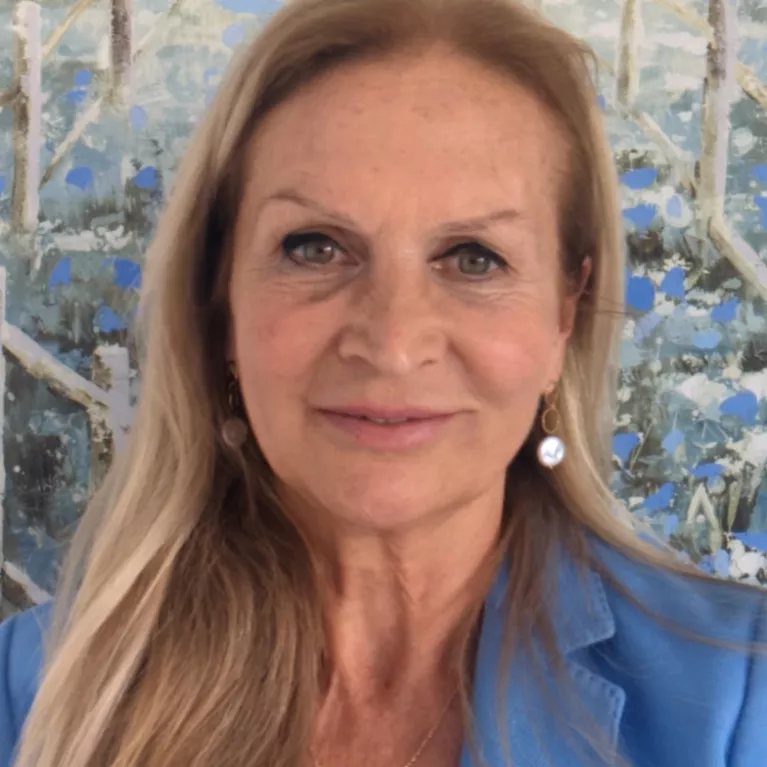
Rosario Martin
Última actualización: 2025-11-13

Rosario Martin
Última actualización: 2025-11-13
Lo que nadie te dice sobre adaptarte a un nuevo país (y cómo lograrlo) is a journey filled with excitement, challenges, and profound personal growth. Moving to a new country can be both exhilarating and daunting, as it often involves navigating unfamiliar cultures, languages, and social norms. In this article, we will explore the emotional landscape of adapting to a new environment, providing insights and real-life case studies that illustrate the process. Whether you are planning a move or have recently relocated, understanding the nuances of this transition can empower you to embrace your new life fully.
Adapting to a new country is more than just learning how to navigate public transportation or finding the best local grocery store; it's about embracing a new way of life. The emotional rollercoaster that comes with this transition can be overwhelming at times, but it's also an opportunity for incredible personal development. Many people underestimate the impact of culture shock and the importance of building a support network. In this article, we will delve into these aspects while offering practical advice and relatable stories from individuals who have successfully navigated their own journeys.
Moving abroad is often romanticized in movies and social media, but the reality can be quite different. The initial excitement can quickly give way to feelings of isolation and homesickness. It's essential to recognize that these emotions are normal and part of the adjustment process. Many newcomers experience what is known as culture shock—a term that describes the disorientation felt when encountering an unfamiliar culture. The stages of culture shock typically include:
Understanding these stages can help you anticipate your feelings and develop coping strategies during each phase.
Maria moved from Mexico to Canada for work opportunities. Initially, she felt overwhelmed by the cold weather and language barriers. However, she joined a local community group that helped her connect with other expatriates. This support system not only eased her loneliness but also provided her with valuable resources for navigating her new city. Maria learned that embracing her cultural identity while being open to new experiences allowed her to thrive in Canada.
Ahmed relocated from Egypt to Germany for his studies. He faced significant challenges adjusting to the direct communication style prevalent in German culture, which contrasted sharply with his upbringing where indirect communication was the norm. To bridge this gap, Ahmed took language classes and actively engaged with locals through volunteer work. His efforts paid off; he not only improved his language skills but also formed meaningful friendships that enriched his experience in Germany.
Elena moved from Spain to Australia with her family for a better quality of life. Initially, she struggled with feelings of isolation as her children adapted to their new school environment. To combat this, Elena organized playdates and joined parent-teacher associations, which helped her connect with other families facing similar challenges. By fostering relationships within her community, she created a supportive network that made settling into Australian life much smoother for her family.
Navigating life in a new country doesn't have to be overwhelming if you approach it with an open mind and proactive attitude. Here are some practical tips:
By implementing these strategies, you can create a more fulfilling experience as you adapt to your new home.
Adapting to a new country is undoubtedly challenging but also incredibly rewarding. Each step you take towards integration not only enriches your own life but also contributes positively to the community around you. Remember that every individual's journey is unique; what works for one person may not resonate with another. Embrace your path, learn from your experiences, and don’t hesitate to seek support when needed. If you're feeling overwhelmed by your transition or simply want someone knowledgeable to guide you through this exciting chapter of your life, reach out to Rosario Martin today! With years of experience helping individuals adapt successfully to new environments, Rosario is here to provide personalized advice tailored just for you.
Culture shock refers to the feelings of confusion or anxiety experienced when encountering an unfamiliar culture or environment.
Adjustment periods vary greatly among individuals; it can take anywhere from a few months to several years depending on various factors such as personality, previous experiences, and support systems.
Common signs include feelings of frustration, sadness, disorientation, or irritability regarding everyday situations that were once simple.
Joining clubs or groups related to your interests, attending local events, or volunteering are great ways to meet people in your new community.
Absolutely! Homesickness is a common experience when relocating; acknowledging these feelings is an important step toward overcoming them. In conclusion, remember that adapting takes time and effort but leads to personal growth and enriching experiences. If you're ready for guidance on your journey abroad or need someone who understands these challenges intimately, don't hesitate—connect with Rosario Martin today!
Soy Charo Martín, una profesional con más de 25 años de experiencia en el sector inmobiliario, combinando una sólida formación técnica con una profunda vocación por considerar cualquier compra como una inversión, y por procurar conseguir viviendas de lujo, que son las que permiten tener el estilo de vida deseado. ¿Cual es su estilo de vida?
Mi carrera comenzó en el ámbito de la informática y la farmacia, pero pronto descubrí mi verdadera pasión: acompañar a las personas a encontrar la mejor versión de su casa, alineada con su estilo de vida y sus objetivos de inversión. Desde entonces, he liderado proyectos inmobiliarios en Marbella y la Costa del Sol, especializándome en propiedades de lujo y en asesoría basada en su estilo de vida y si es necesario en la medicina ambiental.
Actualmente, colaboro con eXp Realty como Consultora Inmobiliaria especializada en Bienestar y Estilo de Vida, integrando herramientas digitales, inteligencia artificial y conocimientos en psiconeuroinmunología para ofrecer una experiencia de compra consciente, rentable y saludable.
Trabajo también con profesionales inmobiliarios de muchos otros países, lo que me permite atraer compradores extranjeros con soltura, facilitando operaciones internacionales con confianza, cercanía y eficacia.
Mi formación más destacada:
- Máster en Psiconeuroinmunología – Xevi Verdaguer (2021-2023)
- Máster en Ciencias de la Computación – Universidad Pontificia de Salamanca
- Licenciatura en Farmacia – Universidad Complutense de Madrid
- Agente Inmobiliario (API) certificado por el Ministerio de Industria y Energía
- Gestión de Cooperativas y Funcionalismo Inmobiliario – REBS Real Estate Business School
Experiencia profesional:
- Más de 22 años como CEO de Mi Casa en Marbella
- Directora de oficina en MAR Real Estate Marbella
- Consultora independiente en desarrollo de negocio inmobiliario, estrategia comercial y captación de clientes
- Experiencia docente universitaria y técnica en distintas disciplinas científicas y tecnológicas
- Fundadora de proyectos orientados a la accesibilidad y sostenibilidad en el hábitat
Lo que me diferencia:
- Combino tecnología, salud ambiental y visión estratégica para ofrecer mucho más que una vivienda: te acompaño a tomar decisiones con inteligencia y propósito.
- Creo firmemente que el mayor lujo es tener la casa en la cual puedes llevar el estilo de vida que deseas.
- Trabajo con compradores, inversores y otros profesionales del sector para crear oportunidades de valor compartido.
BCE's Impact on Spanish Housing Prices Explained
This article explores how the European Central Bank's monetary policies influence Spanish housing prices. It discusses interest rates, recent market trends, and includes case studies to illustrate these effects, offering insights for buyers and investors.
Long-Term Investment Strategies for Capital Protection
Investing for the long term is essential for protecting capital during uncertain times. By diversifying portfolios, focusing on quality assets, and regularly reviewing strategies, investors can achieve financial stability and growth while navigating market fluctuations.
How to Choose a Property Manager for Luxury Vacation Homes
Learn how to select the best property manager for luxury villas and vacation rentals. Discover essential criteria, contract tips, service levels, and red flags when managing high-end real estate