
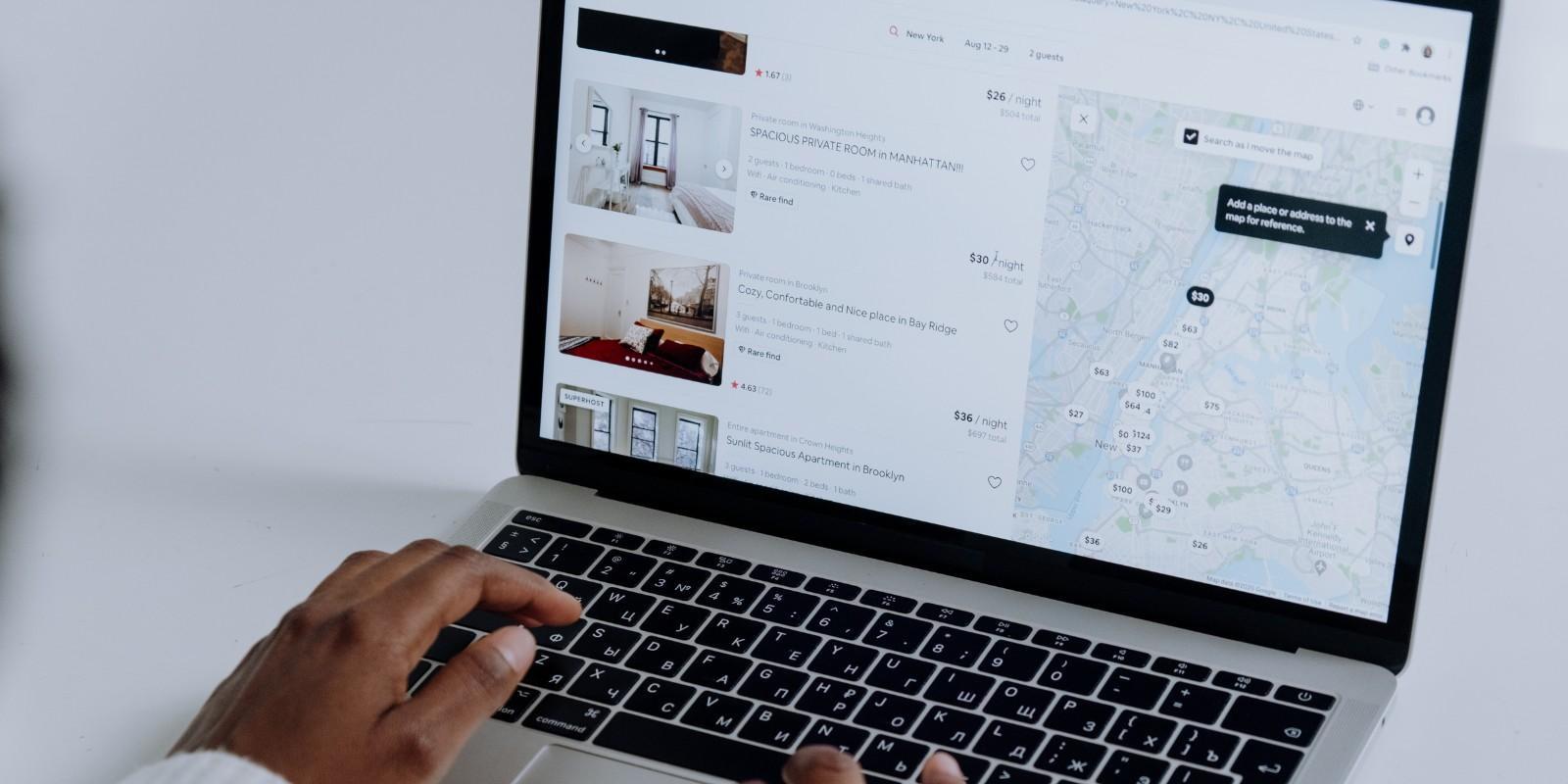
Can I Rent Out My Property in Spain on Airbnb?
Airbnb has become one of the most popular platforms for short-term rentals in Spain, attracting millions of tourists each year. But listing your property is not as simple as uploading photos and waiting for bookings. Regulations, licenses, and taxes play a key role. This article explains what you need to know before hosting.
Table of Contents
- Overview of Airbnb Regulations in Spain
- Tourist Rental Licenses
- Taxes and Fiscal Obligations
- Profitability and Market Demand
- Real Examples from Spanish Cities
- Frequently Asked Questions
- Conclusion & CTA
Overview of Airbnb Regulations in Spain
Short-term rentals in Spain are regulated at the regional and municipal level. This means that the rules differ significantly between cities and regions. Some areas welcome holiday rentals, while others impose strict restrictions to protect local housing supply.
Common regulatory elements include:
- Mandatory registration or licensing with regional tourism boards.
- Limits on the number of days a property can be rented.
- Compliance with safety and habitability standards.
- Fines for unlicensed rentals, which can exceed €30,000 in some regions.
Tourist Rental Licenses
To list a property legally on Airbnb, most regions require a tourist rental license. The process typically involves:
- Submitting an application to the regional authority.
- Providing proof that the property meets safety and quality standards.
- Registering with the local municipality and police for guest reporting obligations.
Popular regions like Andalusia, Catalonia, and the Balearic Islands have strict frameworks. Without a license, platforms like Airbnb are legally obliged to remove your listing if reported.
Taxes and Fiscal Obligations
Income from Airbnb rentals is taxable in Spain, regardless of your residence status. Key obligations include:
- Income Tax: Spanish residents pay IRPF, while non-residents pay IRNR. EU non-residents may deduct certain expenses, while non-EU residents cannot.
- VAT (IVA): Short-term rentals that provide hotel-like services (e.g., cleaning, reception) may trigger VAT obligations.
- Tourist Taxes: Some regions, such as Catalonia and the Balearic Islands, charge a per-night tourist tax collected from guests.
Profitability and Market Demand
Despite regulation, Airbnb rentals in Spain remain highly profitable in tourist hotspots. For example:
- Properties in Barcelona and Ibiza can yield annual returns between 6–10%.
- Coastal cities like Málaga and Valencia see strong seasonal demand, with occupancy peaking in summer.
- Madrid offers year-round demand due to business travel and tourism.
Profitability depends on compliance with regulations, accurate pricing, and effective property management.
Real Examples from Spanish Cities
Barcelona
Barcelona has one of the strictest regimes. New tourist rental licenses have been frozen for years, and unauthorized rentals face high penalties. However, licensed properties achieve some of the highest nightly rates in Spain.
Andalusia (Costa del Sol)
In cities like Málaga and Marbella, obtaining a license is possible, and the demand from international tourists makes Airbnb highly lucrative. Compliance with Andalusia’s holiday rental decree is required.
Balearic Islands
The Balearic Islands limit licenses to certain zones to protect housing availability. Profitability is high, but so is enforcement.
Frequently Asked Questions
Do I need a license to rent my property on Airbnb?
Yes, in almost all cases. Operating without one risks fines and removal from platforms.
How much can I earn renting on Airbnb in Spain?
Earnings depend on location, season, and property type. Coastal and urban centers generally deliver the highest returns.
Can non-residents rent out property on Airbnb?
Yes, but they must comply with Spanish tax laws and licensing requirements.
What happens if I rent without a license?
Penalties vary by region but can reach tens of thousands of euros. Airbnb and similar platforms are increasingly required to remove unlicensed listings.
Conclusion & CTA
Renting your Spanish property on Airbnb can be profitable, but only if done legally. Understanding licensing, taxes, and local regulations is essential before hosting your first guest. By ensuring compliance, you protect yourself from fines and maximize your investment.
Calcular rentabilidad de alquiler and see how much your property could earn under Spain’s tourist rental framework.